
Çelik Yapı Atölyesi Nasıl Kurulur: Endüstriyel Alıcılar İçin Adım Adım Kılavuz
Aşama 5: Saha Hazırlığı ve Temel İnşaatı
Ankraj cıvatalarının yerleştirilmesi, tüm projenin en hassasiyet gerektiren aşamasıdır.Üretici firmanın ankraj cıvata yerleşim planı kullanılarak, cıvata kafesi her kolon konumuna yerleştirilir. Cıvata deseni, aralığı, çıkıntı yüksekliği ve yönü, yerleşim planıyla tam olarak eşleşmelidir. Beton dökülmeden önce cıvata konumlarını daima bir ölçüm aletiyle ölçün.Aşama 6: Çelik Montajı ve Panel Kurulumu
Bir cihazın kurulum sırasıçelik yapı atölyesi:
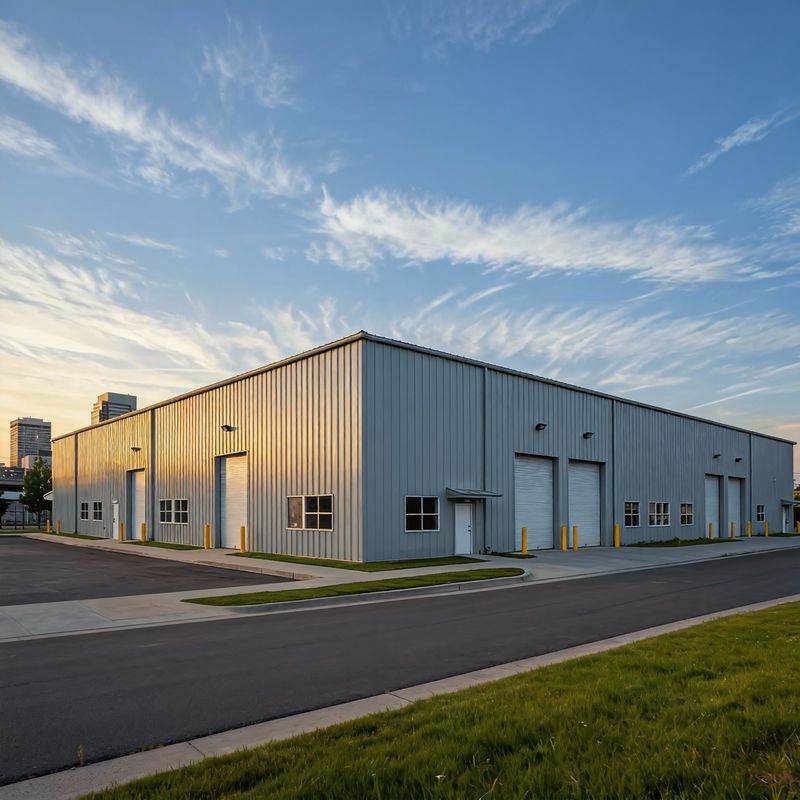
Ankraj cıvatalarının kontrolü ve taban plakasının düzeltilmesi
| — Herhangi bir çelik montajına başlamadan önce her cıvatanın konumunu çizimlerle karşılaştırarak kontrol edin. | Kolon dikilmesi | — kolonlar mobil vinçle kaldırıldı ve geçici olarak desteklendi. | Çatı kirişi montajı ve kalıcı destekleme |
|---|---|---|---|
| — Uç plaka cıvatalı bağlantıları, çatı ve duvar destekleri her bölme için monte edilmiştir. | İkincil çerçeveleme | — aşıklar ve kirişler ana çerçeveye cıvatalarla sabitlenmiştir. | Çatı paneli montajı |
| — çatı eğiminin en alt ucundan yukarı doğru, mahya kapakları ve saçak kaplamalarıyla başlayarak | Duvar paneli montajı | — bir uçtan diğer uca, taban kaplamaları ve köşe çıtalarıyla birlikte | Kapılar, pencereler, havalandırma aksesuarları |
| — son bileşenler hava geçirmezlik için mühürlenmiştir. | Sıkça Sorulan Sorular | Siparişten tamamlanmaya kadar çelik konstrüksiyon atölyesinin inşası ne kadar sürer? | 1.500 ila 3.000 m² arasında orta büyüklükte bir atölye için toplam süre tipik olarak şu şekildedir: |
| 75 ila 120 gün | Tasarım (10 gün), imalat (25-35 gün), sevkiyat (20-35 gün), saha ve temel (15-30 gün paralel olarak) ve montaj ve son işlem (15-30 gün). | Yerel bir yapı mühendisine ihtiyacım var mı, yoksa üretici her şeyi sağlıyor mu? | Üretici, eksiksiz yapısal hesaplamalar ve çizimler sağlar. Ancak, ülkeniz yerel bir inşaat izni gerektiriyorsa, yetkili makam hesaplamaların yerel lisanslı bir mühendis tarafından onaylanmasını isteyebilir. Sipariş vermeden önce yerel izin şartlarını kontrol edin. |
| Montaj için ne kadar kapasiteli bir mobil vincin gerekli olduğunu merak ediyorum. | Çatı yüksekliği 7 ila 12 m ve açıklıkları 18 ila 36 m olan atölyeler için, | 25 ton ile 50 ton arası mobil vinç | Genellikle yeterlidir. Üretici, vinç seçimine yardımcı olmak için maksimum bileşen ağırlığı konusunda tavsiyede bulunur. |
| Çelik atölye inşa ettirirken alıcıların en sık yaptığı hata nedir? | Ankraj cıvatalarının yerleşimini dikkatlice doğrulamadan temel inşaatına başlamak. | Beton sertleştikten sonra tespit edilen yanlış hizalanmış cıvatalar, pahalı düzeltme çalışmaları (karot delme, kimyasal ankraj ve yapısal yeniden analiz) gerektirir ve projeyi haftalarca geciktirir. | Çelik Yapı Atölyesi Projenize Başlamaya Hazır Mısınız? |
AtMeituo Binaları
Alıcıları her aşamada yönlendiriyoruz; doğru açıklık ve vinç özelliklerinin belirlenmesinden mühendislik, ihracat nakliyesi ve montaj desteğine kadar. Bize bina ölçülerinizi, proje konumunuzu ve kullanım amacınızı gönderin. Ekibimiz size uygun çözümü sunacaktır.
3 iş günü içinde ücretsiz yapısal tasarım ve fiyat bilgisi..E-posta:
| satış@meituobuildings.com | WhatsApp / Telefon: | +86 15910306877 |
|---|---|---|
| Web sitesi: | www.meituobuildings.com | Drives primary frame size — the main cost factor |
| Project location | Country and city or region | Determines wind load, snow load, seismic zone for structural design |
| Overhead crane | Capacity in tons and hook height | Must be specified before design begins — crane loads determine column sections |
| Insulation system | Panel type and thickness | Affects panel weight, purlin spacing, thermal performance |
| Doors and openings | Number, size, type and location | Affects structural detailing at openings and panel layout |
Stage 2: Structural Engineering and Drawing Approval
Once you confirm your requirements, the structural engineering team begins the technical design. For a standard prefab steel workshop, this takes 5 to 15 days. The engineering package includes: structural calculation report, general arrangement drawings, anchor bolt layout plan, and fabrication drawings.
Review the anchor bolt plan carefully before foundation construction begins. Misaligned anchor bolts are the single most common cause of erection delays on prefab steel projects. Once concrete has cured, repositioning bolts requires expensive core drilling and chemical anchoring.
Stage 3: Factory Fabrication and Quality Control
After design approval and payment, factory production begins. The production sequence includes:
1. Steel Procurement: Plates and sections are ordered to the specified grade (Q235B or Q355B) with mill certificates.
2. CNC Cutting and Drilling: Plates are cut to precise dimensions and drilled for bolt holes using computer-controlled machines.
3. Welding and Assembly: Column and rafter assemblies are welded from cut plates and sections. Weld quality at knee joints and ridge joints is critical.
4. Shot Blasting to Sa 2.5: All members are shot blasted before painting. Surface treatment is where quality is most often compromised to reduce cost — confirm the shot blasting standard and paint system in writing before placing your order.
5. Component Marking and Packing: Every member is marked with a unique component number and bundled for container shipping.
Stage 4: Shipping and Customs Clearance
| Destination Region | Typical Sea Transit | Main Port of Entry |
|---|---|---|
| Southeast Asia | 5 – 15 days | Port Klang, Singapore, Jakarta |
| Middle East (Saudi, UAE, Qatar) | 18 – 28 days | Jeddah, Dammam, Jebel Ali |
| East Africa | 20 – 30 days | Mombasa, Dar es Salaam |
| West Africa | 25 – 35 days | Lagos, Tema, Abidjan |
| South America | 28 – 42 days | Santos, Buenos Aires, Callao |
Ensure your customs broker receives all documents — commercial invoice, packing list, bill of lading, certificate of origin — well before the vessel arrives. Steel components left in containers at port incur daily demurrage charges.
Stage 5: Site Preparation and Foundation Construction
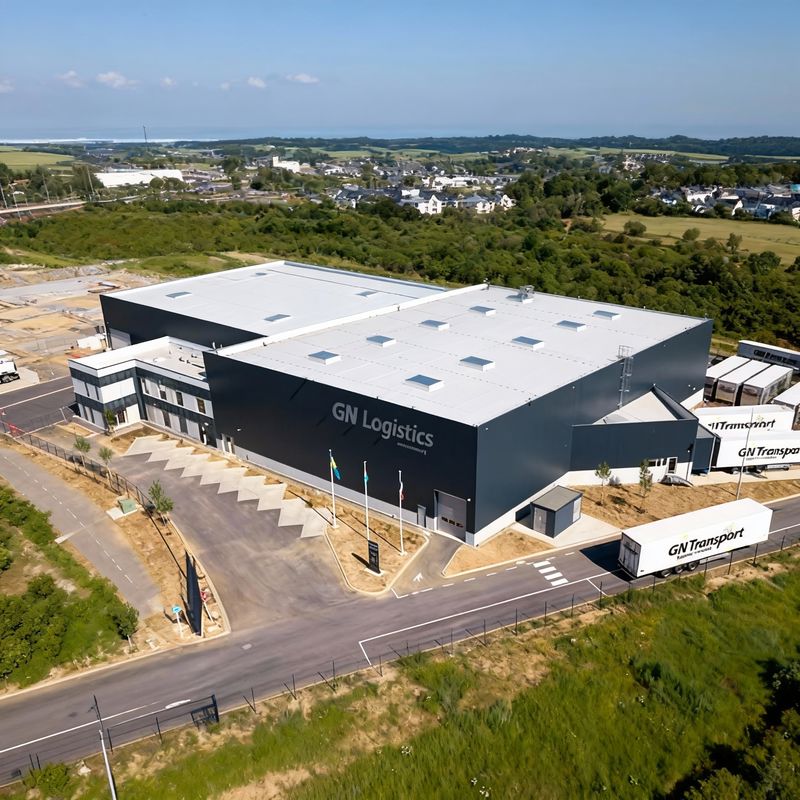
Anchor Bolt Setting is the most precision-critical step of the entire project. Using the manufacturer anchor bolt layout plan, the bolt cage is positioned at each column location. The bolt pattern, spacing, projection height, and orientation must match the layout plan exactly. Always survey bolt positions with a surveying instrument before pouring concrete.
Stage 6: Steel Erection and Panel Installation
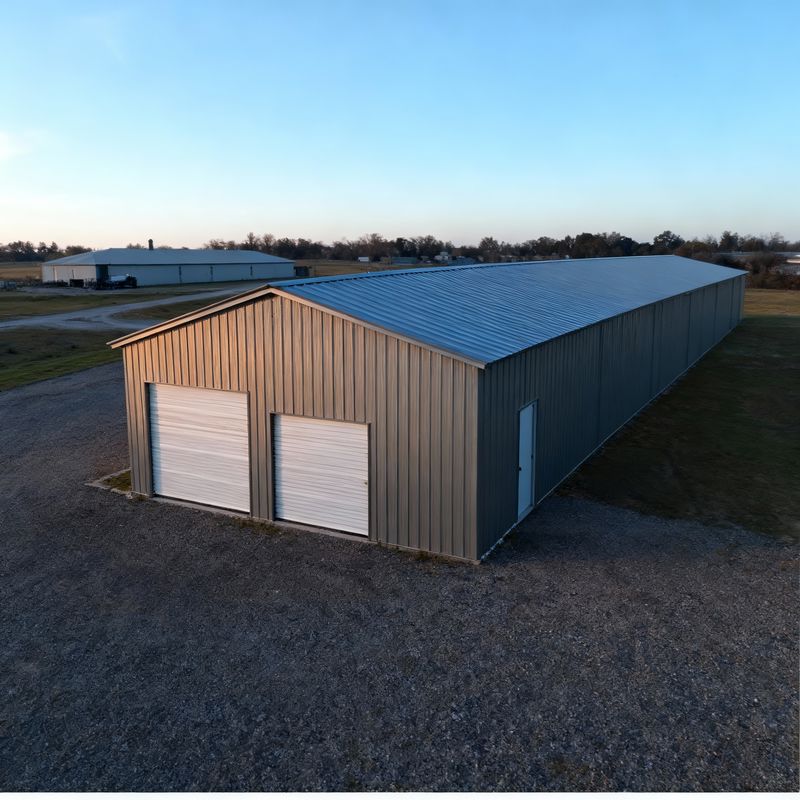
The erection sequence for a steel structure workshop:
Anchor bolt inspection and base plate leveling — check every bolt position against drawings before erecting any steel
Column erection — columns lifted by mobile crane and temporarily braced
Rafter installation and permanent bracing — end plate bolted connections, roof and wall bracing installed per bay
Secondary framing — purlins and girts bolted to primary frame
Roof panel installation — starting from the low end of the roof slope upward, with ridge caps and eave flashings
Wall panel installation — from one end to the other, with base flashings and corner trims
Doors, windows, ventilation accessories — final components sealed for weather tightness
Frequently Asked Questions
How long does it take to build a steel structure workshop from order to completion?
For a medium-size workshop of 1,500 to 3,000 m², the total timeline is typically 75 to 120 days: design (10 days), fabrication (25–35 days), shipping (20–35 days), site and foundation (15–30 days in parallel), and erection and finishing (15–30 days).
Do I need a local structural engineer, or does the manufacturer provide everything?
The manufacturer provides complete structural calculations and drawings. However, if your country requires a local building permit, the authority may require calculations to be stamped by a locally licensed engineer. Check local permit requirements before placing your order.
What mobile crane capacity do I need for erection?
For workshops with eave heights of 7 to 12 m and spans of 18 to 36 m, a 25-ton to 50-ton mobile crane is usually adequate. The manufacturer advises on the maximum component weight to assist crane selection.
What is the most common mistake buyers make when building a steel workshop?
Starting foundation construction without carefully verifying the anchor bolt layout. Misaligned bolts discovered after concrete sets require expensive corrective work — core drilling, chemical anchoring, and structural re-analysis — delaying the project by weeks.
Ready to Start Your Steel Structure Workshop Project?
At Meituo Buildings, we guide buyers through every stage — from defining the right span and crane specification to engineering, export shipping, and erection support. Send us your building dimensions, project location, and intended use. Our team will provide a free structural layout and price indication within 3 business days.
Email: sales@meituobuildings.com
WhatsApp / Phone: +86 15910306877
Website: www.meituobuildings.com